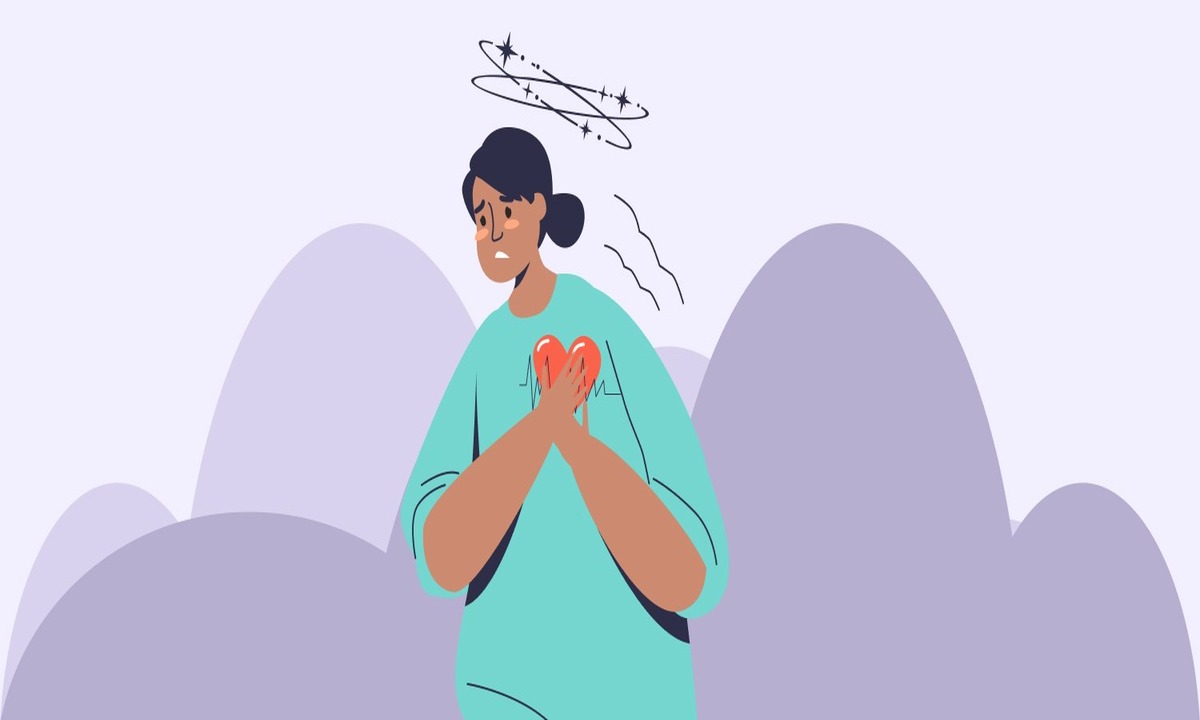
At some point, we all experience anxiety—racing thoughts before a big presentation, a pounding heart when something feels off, or that uneasy flutter in your chest. While these moments often pass, for many people, anxiety becomes a chronic presence that impacts daily life. At ManoVaidya, we often hear a common concern: Can anxiety actually lead to a heart attack?
It’s a valid question—especially when anxiety causes symptoms that feel like a cardiac emergency. Let's explore how anxiety affects the body and what you can do to protect both your mental and heart health.
How Anxiety Affects the Body
Anxiety isn’t just “in your head.” When you feel anxious, your body activates its fight-or-flight response—a survival mechanism designed to protect you in dangerous situations. This triggers a rush of stress hormones like adrenaline and cortisol. Your heart rate speeds up, blood pressure rises, and your breathing quickens.
In short bursts, this is normal and even helpful. But when anxiety becomes chronic, that constant state of alert can wear down your cardiovascular system. Over time, elevated blood pressure and heart rate may contribute to heart strain, particularly if paired with other risk factors.
Anxiety and Heart Attack Symptoms: Telling the Difference
One of the most distressing aspects of anxiety—especially panic attacks—is that it can mimic the symptoms of a heart attack. Chest pain, shortness of breath, palpitations, and dizziness are all common during high-anxiety episodes. The overlap can be so convincing that many people end up in the ER, unsure whether it's anxiety or a real cardiac event.
While anxiety symptoms usually come on quickly and resolve within an hour, heart attacks tend to build gradually and don’t improve without medical intervention. That said, it's always better to be safe—if you're unsure, seek immediate care.
So, Can Anxiety Cause a Heart Attack?
In healthy individuals, anxiety by itself is unlikely to trigger a heart attack. However, it can contribute to one indirectly—especially in people with existing heart conditions or high-risk factors. During severe anxiety or panic attacks, the surge in stress hormones can cause temporary changes like coronary artery spasms, which may lead to a heart event in vulnerable individuals.
Research also shows that those with chronic anxiety disorders are more prone to long-term cardiovascular issues due to inflammation, poor lifestyle habits, and hormonal imbalances. This is why treating anxiety isn't just about feeling better—it's about preventing physical health problems too.
Managing Anxiety to Support Heart Health
At ManoVaidya, we take a holistic approach to Anxiety Treatment, focusing not just on the mind but the body as well. Here are a few ways to manage anxiety while supporting your heart:
1. Seek Professional Help
Therapies like Cognitive Behavioral Therapy (CBT) are highly effective in reducing anxiety. Speaking with a mental health professional can help you gain control over your thoughts and manage symptoms more effectively.
2. Incorporate Yoga Therapy
Yoga Therapy is a powerful tool for managing anxiety and reducing stress levels. The combination of mindful movement, breath control, and meditation can lower heart rate, calm the nervous system, and improve emotional resilience.
3. Adopt Healthy Lifestyle Habits
Regular exercise, nutritious eating, and quality sleep are essential for both mental and physical health. Small, consistent changes often lead to long-term benefits.
4. Practice Relaxation Techniques
Deep breathing, mindfulness, and progressive muscle relaxation can significantly lower anxiety levels and reduce the strain on your heart.
5. Avoid Common Triggers
Limit or avoid caffeine, alcohol, and nicotine, as they can intensify anxiety symptoms and elevate heart rate.
When Should You See a Doctor?
If you experience severe chest pain, shortness of breath, or fainting, don’t try to self-diagnose. These symptoms could signal a serious heart issue. It’s also a good idea to speak with your doctor if anxiety is interfering with your daily life or affecting your physical health. A tailored care plan from a provider at ManoVaidya can help you regain balance.
Final Thoughts
While anxiety doesn't directly cause heart attacks, its long-term impact on your heart health shouldn't be underestimated. Understanding the mind-body connection is key to both effective Anxiety Treatment and overall wellness.
At ManoVaidya, we believe in addressing mental health from every angle—whether through Yoga Therapy, clinical counseling, or lifestyle support. You don’t have to wait until your symptoms feel unmanageable. Taking care of your mental well-being today is an investment in your heart's future.