
How to Discipline a Child With Autism means using calm routines, clear communication, positive reinforcement and structured behaviour guidance instead of punishment.
For better autism improvement, parents should also understand brain development and gut–brain connection because behaviour is often linked with internal imbalance, sensory overload and poor regulation.
Why Discipline Looks Different for a Child With Autism
Many parents think discipline means stopping bad behaviour immediately.
But for an autistic child, behaviour is often a message.
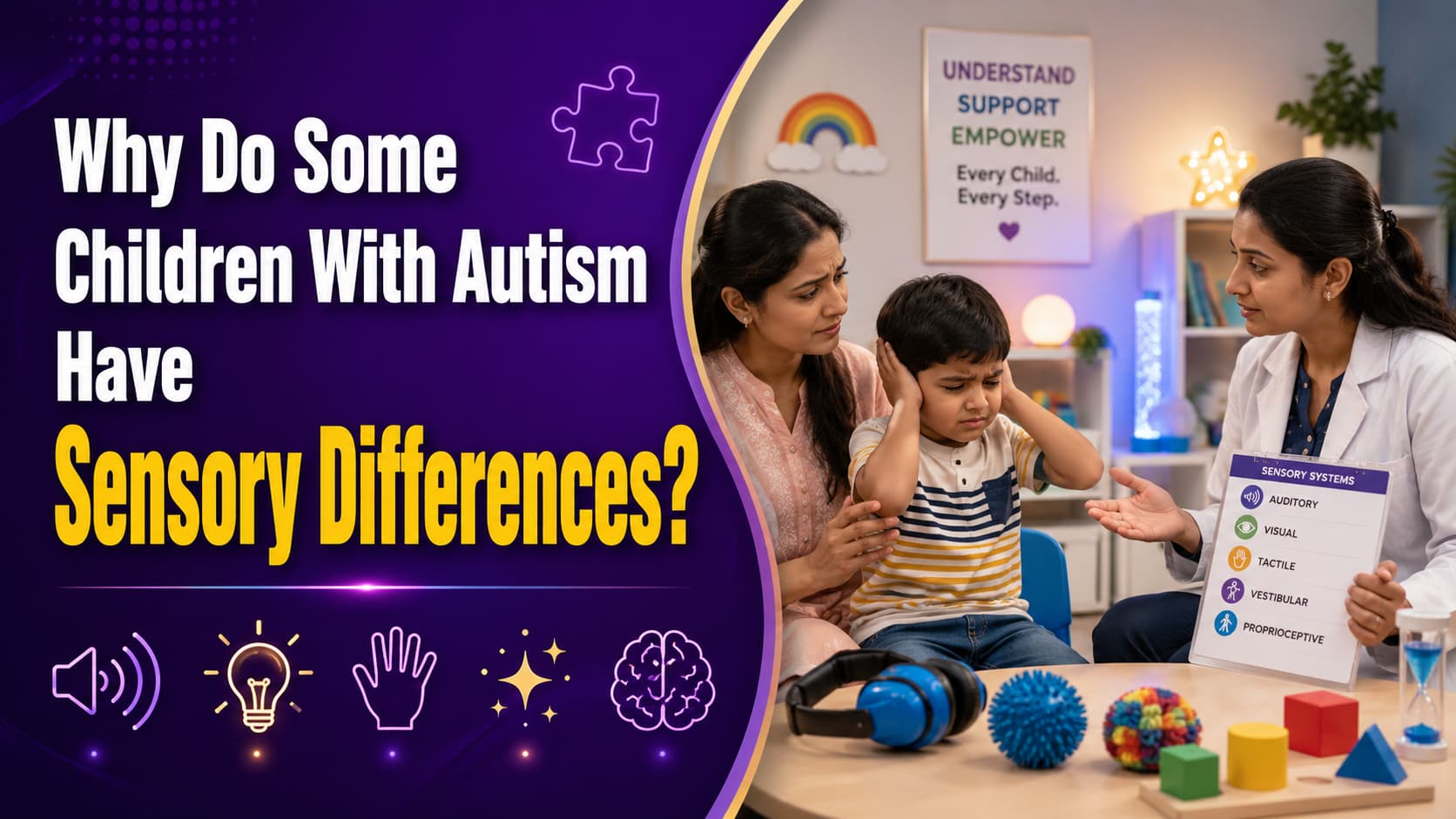
Crying may mean sensory overload.
Aggression may mean frustration.
Running away may mean fear.
Not listening may mean poor attention or delayed processing.
So, How to Discipline a Child With Autism is not only a parenting question. It is also a brain, sensory, gut and behaviour question.
At Manovaidya, parents are guided to first understand the child’s internal condition before correcting the behaviour from outside.
Have you noticed this?
Sometimes the child is not “misbehaving.”
The child is struggling to express.

What Parents Often Misunderstand About Autism and Behaviour
Parents often feel confused because one day the child listens, and the next day the same child refuses everything.
This creates stress at home.
Some parents try shouting.
Some try punishment.
Some remove toys.
Some keep changing therapies.
Still, behaviour does not settle.
This is where many families start searching for autism treatment India because they want a deeper answer, not just temporary control.
How to Discipline a Child With Autism becomes easier when parents understand that the child may need structure, sensory support, gut correction, sleep improvement and brain nourishment together.
Through Manovaidya, the focus is not only on stopping behaviour. The focus is on understanding what is creating that behaviour.
Why Punishment Does Not Work for Many Autistic Children
Punishment usually works through fear.
But many autistic children do not respond well to fear-based correction. It can increase anxiety, crying, aggression, shutdown or avoidance.
If the child already has sensory overload, shouting may make it worse.
If the child has poor communication, punishment may create more confusion.
If the child has gut discomfort, sleep issues or internal restlessness, behaviour may repeat again.
That is why therapies alone sometimes give limited results.
“Therapies alone lead to limited improvement in autism unless the internal brain and gut system are healed.”
How to Discipline a Child With Autism Without Fear or Pressure
Gentle discipline does not mean allowing everything.
It means guiding the child with calmness, repetition and structure.
The first rule is simple: correct the behaviour, not the child.
Instead of saying, “You are bad,” say, “Hands are for helping, not hitting.”
Instead of shouting, use a short instruction.
Instead of long lectures, use visual cues or simple words.
For example:
- “Stop.”
- “Sit.”
- “Wait.”
- “First food, then play.”
- “Soft hands.”
How to Discipline a Child With Autism is also about timing. During a meltdown, the child may not understand teaching. First calm the body. Teaching comes later.
Families visiting Manovaidya are often guided to observe triggers like food, sleep, screen time, sensory overload, constipation, routine change and attention difficulty.
Because behaviour does not happen in isolation.
What Triggers Behaviour Challenges in Children With Autism
Behaviour challenges can come from many hidden reasons.
- A child may become aggressive because he cannot express pain.
- A child may cry because the room is too noisy.
- A child may avoid learning because sitting tolerance is low.
- A child may repeat actions because the brain seeks sensory comfort.
- A child may refuse food because digestion is weak.
This is why Ayurveda autism treatment looks at the child as a whole.
Brain, gut, sleep, sensory system, emotions and behaviour are connected.
If parents only focus on discipline but ignore internal discomfort, progress can remain slow.
For deeper understanding, Read more about autism treatment here with the anchor topic Best autism treatment doctor in Delhi NCR, especially if parents want structured guidance beyond therapy only.
Dr Ankush Garg (Autism & Neuro-Ayurveda Expert)

Dr. Ankush Garg is an Autism, ADHD, Child Development & Mental Health Specialist in India, Founder of Manovaidya and Creator of the Neuro-Ayurveda Development System.
His work focuses on developmental, behavioural and mental wellness concerns through a structured Neuro-Ayurveda approach that emphasizes personalized guidance, family-centred support and long-term wellbeing.
How Dr Ankush Garg Guides Parents on Gentle Autism Behaviour Support
How to Discipline a Child With Autism should begin with assessment.
Dr Ankush Garg focuses on understanding the child’s brain development, gut health, sensory response, attention level, sleep pattern, speech attempts and behaviour triggers.
This helps parents avoid random correction.
Manovaidya follows a structured approach where behaviour guidance is connected with internal healing and daily routine correction.
This is important because many children show behaviour improvement when their sleep, digestion, attention and sensory regulation become better.
In many cases, parents are not taught how to respond calmly. They are only told to “control the child.”
But control is not the goal.
Connection is the first step.
Correction comes after connection.
Parent Progress Checklist for Child Development
- Child is sleeping better
- Digestion is improving
- Irritability is reducing
- Eye contact is slightly better
- Child is responding to name more often
- Sitting tolerance is improving
- Speech attempts are increasing
- Child is calmer during routine changes
- Sensory reaction is becoming less intense
- Behaviour is easier to guide
Difference Between Punishment and Gentle Autism Discipline
| Punishment-Based Approach | Gentle Autism Discipline |
| Focuses on stopping behaviour quickly | Focuses on understanding the reason |
| Uses fear, shouting or pressure | Uses calm tone and clear routine |
| May increase anxiety or meltdown | Supports emotional safety |
| Does not check sensory or gut issues | Looks at brain development and gut–brain connection |
| Child may obey temporarily | Child slowly learns better regulation |
| Parent feels guilty later | Parent feels more confident and connected |
This difference matters.
How to Discipline a Child With Autism is not about being soft or strict. It is about being clear, calm and consistent.

How to Use Routine and Structure for Better Behaviour
Autistic children often feel safer when life is predictable.
A daily routine reduces anxiety.
Use simple structure:
- Same wake-up time
- Fixed meal routine
- Limited screen time
- Short learning sessions
- Calm bedtime routine
- Visual schedule if needed
When the child knows what comes next, resistance reduces.
For parents searching Best autism doctor in Noida or Best autism specialist in India, it is important to look for guidance that includes home routine training along with treatment.
What to Do During Meltdowns, Anger or Crying Episodes
During a meltdown, do not teach too much.
First reduce noise.
Move the child to a safe space.
Speak less.
Use a calm face.
Avoid crowding the child.
You can say:
“Safe.”
“Breathe.”
“Mumma is here.”
“Sit here.”
After the child calms down, explain the rule in simple words.
How to Discipline a Child With Autism during a meltdown means protecting the child first, then teaching later.
How Positive Reinforcement Helps in Autism Discipline
Positive reinforcement works well because it teaches the child what to do instead of only saying what not to do.
Praise small efforts.
If the child waits for 5 seconds, praise it.
If the child uses words instead of crying, praise it.
If the child sits for a short time, praise it.
Say:
“Good sitting.”
“Good waiting.”
“Nice listening.”
“Soft hands, very good.”
This builds confidence and supports autism improvement.
Simple Communication Tips Before Correcting the Child
Before correcting behaviour, check if the child understands you.
- Use fewer words.
- Say one instruction at a time.
- Avoid long emotional lectures.
- Use gestures, pictures or demonstration.
For example, instead of saying, “Why are you throwing toys again? You know this is wrong,” say:
- Toy down.
- Hands calm.
- Now sit.
How to Discipline a Child With Autism becomes easier when communication becomes simple.
For more parent guidance, Read more about autism treatment here through the topic Autism doctor for child care, especially if the child struggles with speech, response or daily behaviour.
Common Discipline Mistakes Parents Should Avoid
Parents usually make these mistakes unknowingly:
- Shouting during meltdowns
- Giving long lectures
- Changing rules every day
- Using punishment without understanding triggers
- Ignoring sleep and digestion
- Giving too much screen time
- Comparing the child with other children
- Expecting instant behaviour change
- Stopping therapy or treatment too early
- Not tracking small progress
How to Discipline a Child With Autism requires patience. Small daily correction creates long-term learning.
How Parents Can Build Calm Behaviour at Home
Start with one behaviour at a time.
Do not try to fix everything in one week.
Choose one goal like sitting, waiting, reducing hitting or following one command.
Then repeat the same rule daily.
- Use calm voice.
- Use short words.
- Reward small progress.
- Track improvement.
This is how discipline becomes training.
If parents are looking for Best child neurologist for autism or No 1 Ayurvedic Neurologist, they should choose an approach that understands behaviour, brain development and gut–brain connection together.
Self-Check Tool for Parents
Ask yourself:
- Is gut treatment happening?
- Is brain nourishment given?
- Is behaviour guided?
- Is progress tracked?
If the answer is no, then the discipline plan may remain incomplete.
How to Discipline a Child With Autism is not only about rules. It is about building the child’s ability to follow those rules.
Practical Autism Care Tips Parents Can Follow at Home
- Keep a fixed daily routine for the child.
- Use short and clear instructions.
- Praise small improvements immediately.
- Reduce screen time slowly, not suddenly.
- Give the child simple choices, like “water or milk?”
- Avoid shouting during meltdowns.
- Track sleep, digestion and behaviour every week.
- Use calm body language while correcting the child.
- Repeat the same rule daily with patience.
- Celebrate small progress, because small changes create big improvement over time.
Step-by-Step Treatment Flow for Better Behaviour
1. Gut Detoxification
2. Brain Nourishment
3. Neural Activation
4. Attention and Behaviour Improvement
Contact us for more Details
Many parents searching for the best autism doctor in India eventually reach Dr Ankush Garg after trying multiple therapies without clarity.
If you are searching for the best autism doctor in India and feel confused after trying multiple therapies, this is the right time to take a structured approach. You can book a consultation with Dr Ankush Garg at Manovaidya and understand your child's condition in depth.
Call: +91-7823838638
Email: manovaidya2@gmail.com
Frequently Asked Questions
But many children can make progress with the right support, early help, and a structured development plan. Progress can be seen in speech attempts, eye contact, attention, learning readiness, behaviour, sensory processing, and daily independence.
Every child is unique.
The goal is not to change who the child is. The goal is to help the child develop skills, improve independence, and reach their potential over time.
A structured autism treatment India plan can help parents track these changes more clearly.
This is why punishment alone often does not solve the behaviour. Parents should first identify the trigger and then teach safer alternatives through calm guidance, consistent rules and positive reinforcement.
Understanding the reason behind the behaviour usually creates better long-term results than punishment.
The first priority should be helping the child feel safe and calm.
Once the child is regulated, parents can guide and teach appropriate behaviour. Consistent routines, sensory support and emotional regulation strategies often help reduce the frequency of meltdowns over time.
Long explanations can be difficult to process. Parents can use visual cues, structured routines and positive reinforcement to teach expected behaviours.
Simple instructions such as “sit”, “wait” or “gentle hands” are often easier to understand. Consistency across home, school and therapy settings helps children learn rules more effectively.
A meltdown occurs when a child becomes overwhelmed and temporarily loses the ability to regulate emotions or behaviour.
During misbehaviour, teaching and consequences may be helpful. During a meltdown, the priority is helping the child calm down and feel safe. Understanding this difference helps parents respond more effectively and reduces unnecessary conflict.
Attention difficulties, delayed processing, sensory overload or communication challenges may affect how quickly a child responds.
Parents often see better results when instructions are short, given one step at a time and supported with visual cues. Understanding communication and sensory challenges can make behaviour management more effective and less stressful for families.
Every child develops differently, so progress varies from one child to another.
Behaviour often becomes easier to guide when families focus on communication, routines, sensory support and positive learning experiences. Small improvements that occur consistently over time often lead to meaningful developmental growth.
What appears to be disobedience is often linked to developmental differences rather than intentional misbehaviour.
When parents focus on understanding the child's needs, providing structure and teaching skills gradually, discipline becomes more effective and less stressful for both the child and the family.
.jpg)
.jpg)

.jpg)
.jpg)



.jpg)